
The ISS is Dying
The International Space Station is living on borrowed time. How can you watch its final acts live, and what machines are being built to take its place? 🚀
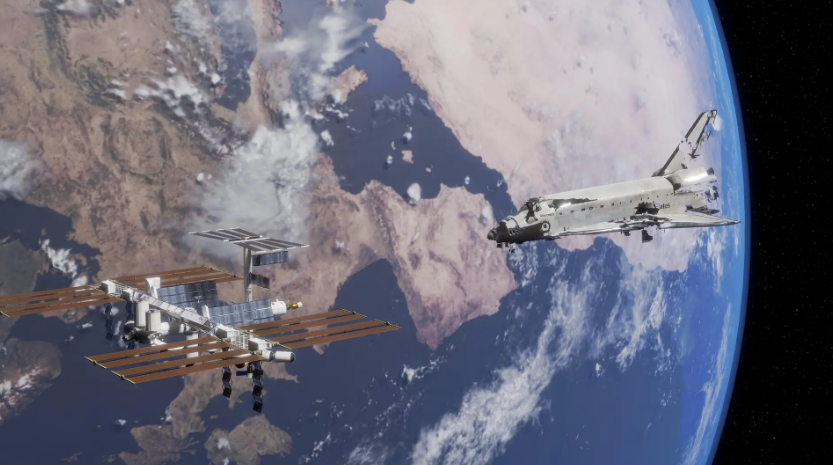
Did you know there are 7 humans living on the ISS as I type this, but often more than a dozen humans in space at once? How is that possible? The answer marks a new era of spaceflight, and it’s happening right now….
For over two decades, the International Space Station (ISS) has been humanity’s primary orbiting home – a miracle of science and international cooperation. But like all incredible machines, its time is coming to an end. With NASA planning a controlled deorbit for 2030, we’re entering the station’s grand finale.
So, how can you, a mere Earthling, watch history unfold?
Watch the Final Act Live, Right Now!
You don’t need a telescope to see the ISS’s last years. NASA streams everything live, 24/7, from multiple cameras – your front-row seat to history: The views, the science, the last spacewalks, and the preparations for its journey home.
- ISS Live Cam 1 (Downward view) – Watch Earth slide by in all its glory.
- ISS Live Cam 2 (Forward view) – See the station’s path through the cosmos.
- ISS Live Cam 3 (4K stream) – The crystal-clear picture.
Why Retire the ISS?
It isn’t being “killed” out of spite – it’s aging hardware in a brutal environment. After 30+ years of heating/cooling cycles, micrometeorite hits, and metal fatigue, costs and risks climb. A dignified, controlled retirement is safer than waiting for a catastrophic failure.
What Happens in 2030? The Deorbit Plan.
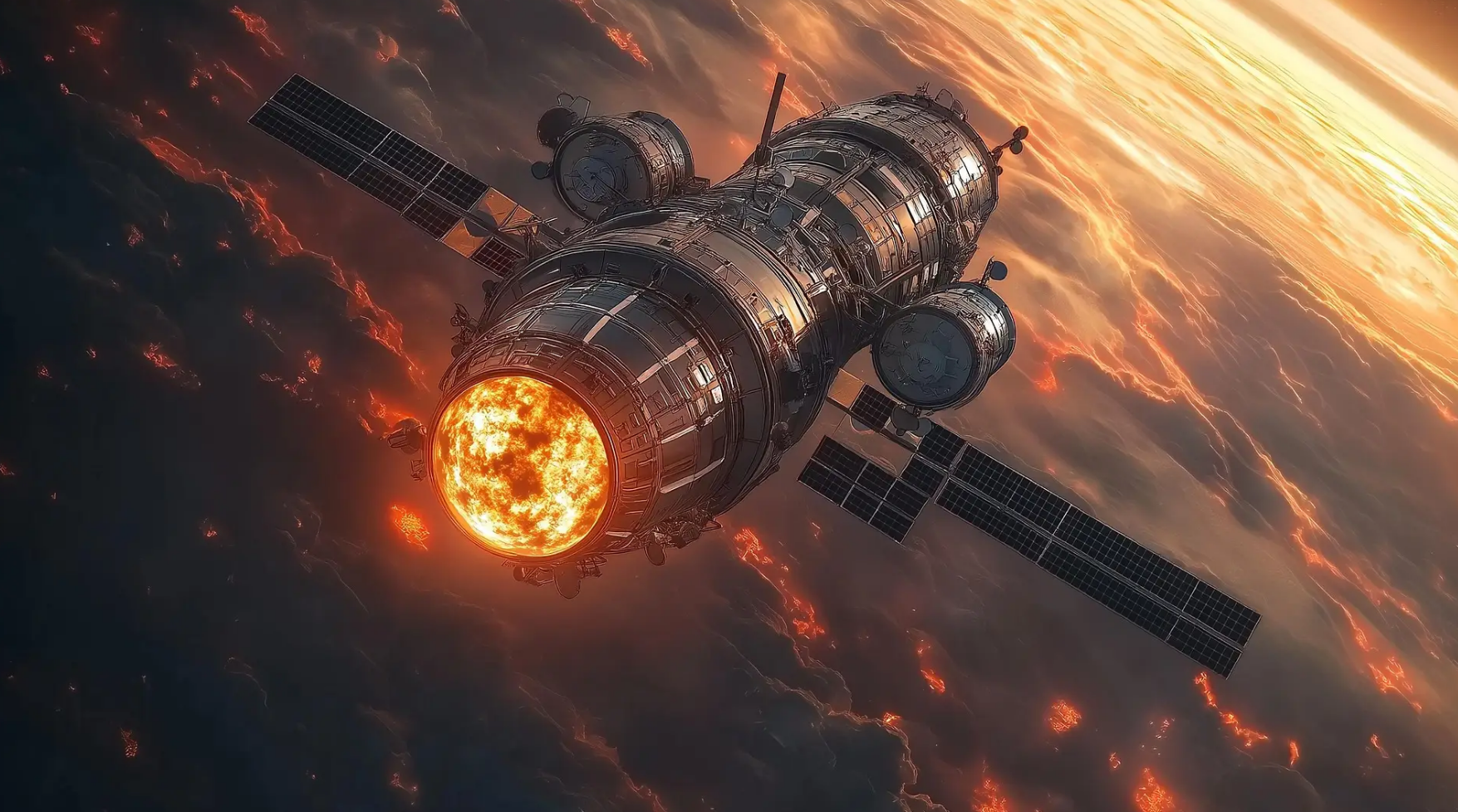
A dedicated deorbit spacecraft (under development) will dock with the ISS and perform engine burns to guide the station to a controlled reentry. Most of the structure will burn up; any remaining debris will be targeted at Point Nemo – the remote “spacecraft cemetery” of the Pacific.
Fast Facts
- How long has the ISS been up? First module launched 20 Nov 1998; continuously occupied since 2 Nov 2000.
- How many people have visited? 273 individuals from 21 countries.
- Largest animal flown? Baby squid – to study animal-microbe relationships in space.
- Craziest experiments? “Cool flames” that burn without visible light, growing human tissues, and slime mold navigation in zero-g.
- If Earth was destroyed, how long could they last? Not long – months at most. The ISS depends on Earth for resupply and repairs.
What Comes Next?
There can now be more than a dozen people in space because China’s Tiangong station operates alongside the ISS – and commercial stations are coming.
- Axiom Station: Starts as modules attached to the ISS, then detaches to free-fly.
- Starlab: Voyager Space + Airbus – a lean, focused science lab.
- Orbital Reef: Blue Origin + Sierra Space – a “mixed-use business park” in orbit.
The International Space Station has been a symbol of what we can achieve together. Now we have a limited-time opportunity to watch its final missions.
Space Fact: This article was written by a human on Earth ~408 km below the ISS. Want to help from your couch?
Become a NASA Photo Detective and analyze real astronaut images for recognition and rewards.